Understanding the Basics of Remodeling
Definition of Remodeling
Remodeling is the process of altering the structure or appearance of a space to improve its functionality, aesthetics, or both. Unlike simple renovations, which primarily involve cosmetic changes, remodeling focuses on significant alterations that can add value and enhance living conditions. This can range from updating a kitchen to modifying the layout of an entire house. Understanding the fundamentals of remodeling is essential for homeowners looking to create their ideal living spaces.
Key Reasons for Remodeling
Homeowners choose to remodel for various reasons. Some of the primary motivations include:
- Increased Comfort: Many homeowners remodel to make their spaces more comfortable and livable. Changes in life circumstances, such as expanding families or aging in place, can necessitate a remodel.
- Improving Functionality: A remodel can help improve the usability of a space. For example, an updated kitchen layout can enhance workflow and efficiency.
- Boosting Property Value: One of the most significant reasons for remodeling is to increase the resale value of a home. Well-planned remodeling projects can yield a substantial return on investment (ROI).
- Adapting to Modern Trends: Homeowners often remodel to stay current with design trends, such as open floor plans or energy-efficient features.
Types of Remodeling Projects
Remodeling projects can be categorized into several types, including:
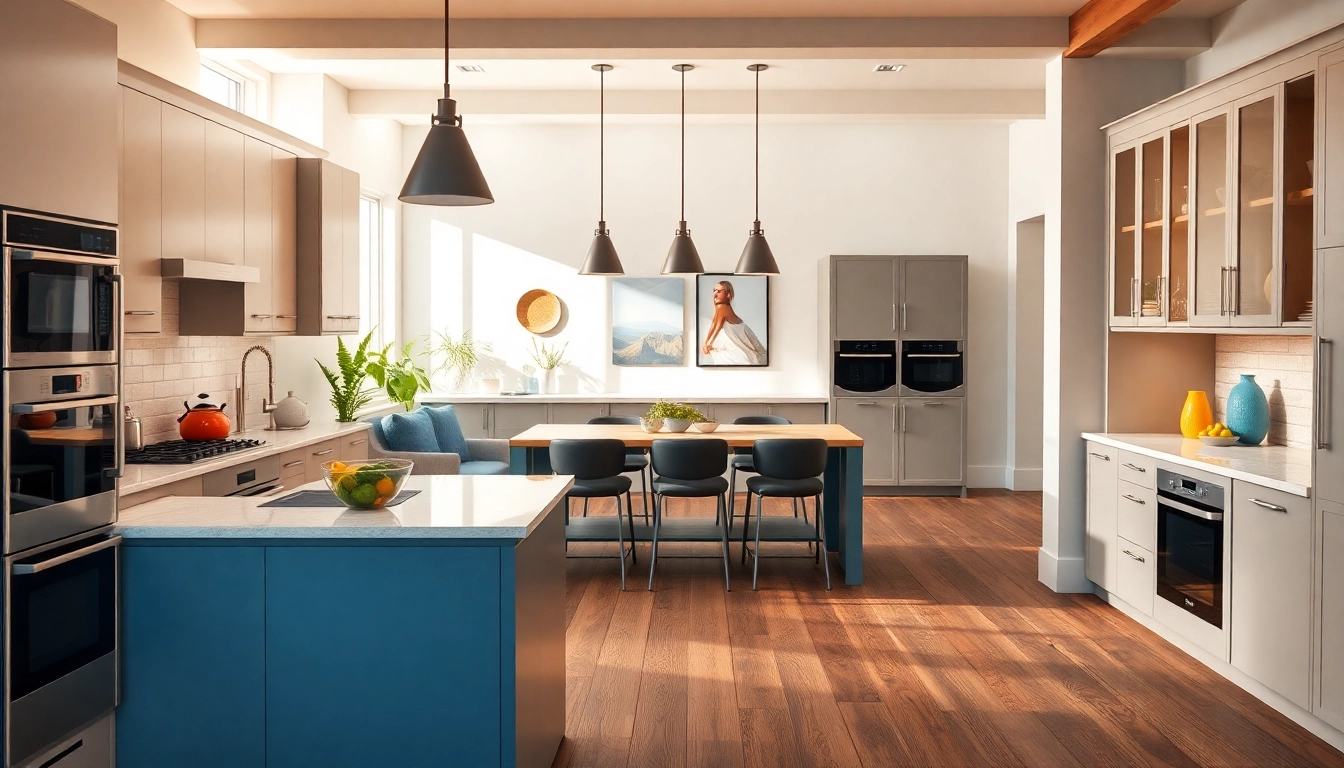
- Kitchen Remodeling: This involves upgrading appliances, cabinets, countertops, and layouts to enhance both aesthetics and functionality.
- Bathroom Remodeling: Changes may include installing new fixtures, tiles, and layouts to improve comfort and accessibility.
- Whole-Home Remodeling: This is a comprehensive project that involves redesigning multiple areas of a home, often requiring significant investment and planning.
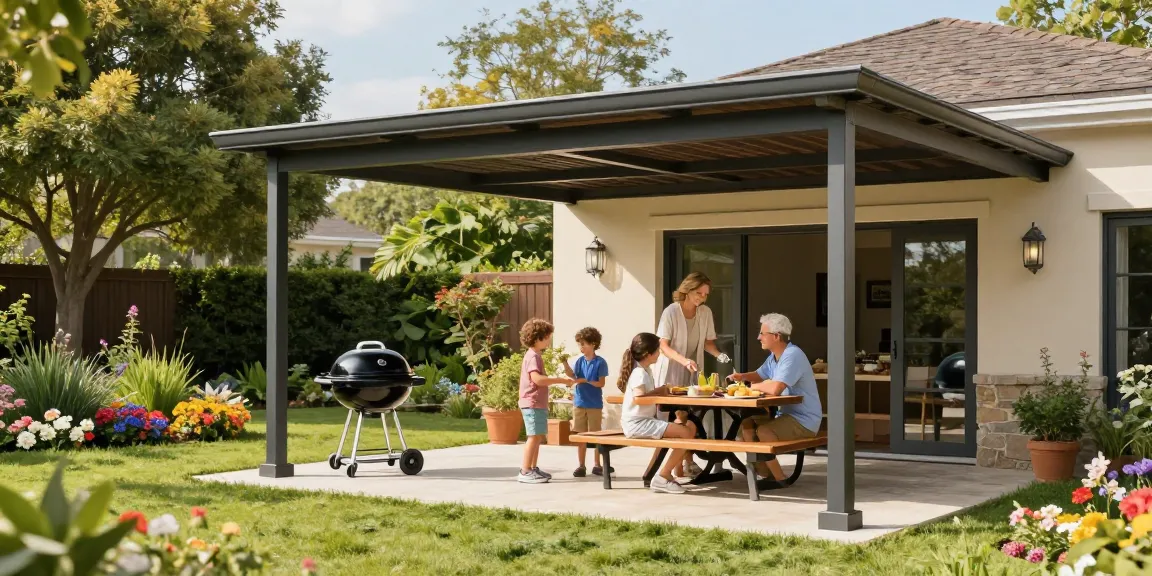
- Outdoor Remodeling: Enhancements to outdoor spaces, such as patios, decks, and landscaping, are also popular remodeling projects to improve curb appeal and enjoyment of the home.
Planning Your Remodeling Project
Setting a Budget for Your Remodeling
Establishing a well-defined budget is critical for any remodeling project. Start by evaluating your financial situation, including available savings, potential financing options, and how much you're willing to invest. A detailed budget should cover all aspects of the project, including materials, labor, permits, and any unexpected expenses that may arise. Remodeling can often exceed initial projections, so it’s wise to set aside an additional 10 to 20 percent for unforeseen costs.
Creating a Timeline for Completion
Developing a realistic timeline is another crucial step in the remodeling process. Factor in the complexity of your project, availability of materials and labor, and any seasonal considerations that may impact your timeline. The clearer your timeline, the easier it is to keep the remodeling project on schedule.
Choosing the Right Materials for Your Remodeling
Selecting materials is a significant part of the remodeling process, as the right choices can enhance the beauty and durability of your new spaces. Consider the characteristics and quality of different materials, such as wood, tile, and stone, as well as energy efficiency and maintenance requirements. Always aim for a balance between aesthetics, performance, and cost.
Popular Remodeling Trends in 2023
Eco-Friendly Remodeling Solutions
Environmentally friendly remodeling has become a priority for many homeowners. Utilizing sustainable materials, energy-efficient appliances, and innovative design techniques can reduce a home's carbon footprint. Opting for recyclable materials or those sourced locally not only supports sustainability but can often be cost-effective as well.
Smart Home Technology in Remodeling
Incorporating smart home technology is increasingly popular in remodeling projects. Features such as smart thermostats, home automation systems, and smart lighting can enhance convenience and efficiency while also improving security. These technologies can be integrated seamlessly into existing layouts, creating modern living spaces that complement the traditional elements of a home.
Open Concept vs. Traditional Layouts for Remodeling
The debate between open concept and traditional layouts continues to shape remodeling ideas. Open floor plans, which combine cooking, dining, and living spaces, promote interaction and can make spaces feel larger. Conversely, traditional layouts often provide defined spaces that can enhance privacy and functionality. The choice ultimately depends on personal preferences, lifestyle, and the desired atmosphere of the home.
Overcoming Common Remodeling Challenges
Handling Unexpected Costs during Remodeling
Unexpected costs are a common challenge in remodeling projects. They may arise from hidden issues like mold, structural problems, or changes in material prices. To manage these, regularly communicate with contractors and monitor project progress closely. Always reference your established budget and timeline to remain aligned with your financial and scheduling goals.
Managing Time Delays in Remodeling Projects
Time delays can lead to frustration in remodeling projects. Factors that contribute to delays include permit issues, contractor scheduling, and material availability. Set realistic expectations and maintain flexibility in your timeline to accommodate potential delays. Regular project updates can help keep all parties informed and engaged.
Working with Contractors for Successful Remodeling
Choosing the right contractor is crucial for a successful remodeling project. Look for licensed professionals with experience in your type of project, and check references and reviews. Clear communication and establishing a solid working relationship can facilitate the remodeling process, ensuring that your vision is effectively brought to life.
Measuring the Success of Your Remodeling Project
Evaluating the Return on Investment (ROI) from Remodeling
Measuring ROI is essential for understanding the financial impact of your remodeling project. Analyzing how much value the remodel adds to your property can help you determine if it was a worthwhile investment. Focus on high-ROI areas such as kitchens and bathrooms for the best returns.
User Experience Post-Remodeling
Post-remodeling, user experiences can be assessed through feedback from family and visitors. Evaluate whether the changes have improved aesthetics, comfort, and functionality. Gathering insights helps ensure that future projects align with your needs and further enhance your living environment.
Tips for Future Remodeling Projects
Let your completed remodeling experience guide your future projects. Document what worked well and what could have been improved, whether in budgeting, timelines, or design choices. Stay informed about new trends and technologies, and always prioritize your long-term vision for your home.
Frequently Asked Questions
What is the average cost of remodeling a kitchen?
The average kitchen remodeling cost ranges from $12,000 to $35,000, depending on the size and materials used.
How long does a typical remodeling project take?
Most remodeling projects take between 3 to 12 weeks to complete, depending on the scope and complexity.
Can I stay at home during a remodeling project?
Yes, you can stay at home, but it may be inconvenient due to noise and dust. It's best to discuss this with your contractor.
What are the most popular remodeling trends currently?
Popular trends include open floor plans, eco-friendly materials, and smart home integrations in remodeling projects.
How can I increase my home's value with remodeling?
Focus on high-ROI areas like kitchens and bathrooms during remodeling, as these improvements can significantly boost home value.