Understanding Luxury Fashion Trends
Defining Luxury Fashion
Luxury fashion is more than just clothing; it embodies a distinct lifestyle and a commitment to quality. It represents brands that prioritize craftsmanship, exceptional design, and the finest materials. The luxury sector focuses on exclusivity, often positioning itself in high-end markets where status, heritage, and culture play vital roles. Notably, luxury fashion is characterized by a sense of aspiration, where sartorial choices reflect personal identity and social dynamics.
Key Trends to Watch
As the luxury fashion landscape evolves, certain trends emerge that define contemporary styles. Minimalism is gaining traction, with brands emphasizing clean lines and understated elegance. Additionally, the resurgence of retro styles offers enthusiasts a chance to revisit iconic pieces while integrating modern aesthetics. Sustainability is also front and center, with many brands adopting eco-friendly practices and materials. Finally, digital innovation influences consumer behavior, as online platforms reshape how luxury items are marketed and sold. To explore more trends and insights, visit Alvionz.
Seasonal Influences on Style
Fashion is fluid, and each season brings forth new inspirations and styles. Spring heralds fresh colors and light fabrics, while summer leans towards vibrant patterns and breathable materials. Fall introduces richer hues and textured layers, whereas winter encapsulates luxury through warmth and comfort, often featuring heavy furs and intricate knitwear. Awareness of seasonal influences enables individuals to curate wardrobes that resonate with both current trends and personal style.
The Importance of Quality in Fashion
How Quality Impacts Durability
Quality is the backbone of luxury fashion. High-quality materials not only enhance the aesthetic appeal of garments but also prolong their lifespan. Items crafted with care and precision tend to withstand the test of time, offering both value and a return on investment. For consumers, understanding the craftsmanship behind each piece can greatly influence purchasing decisions.
Recognizing Expert Craftsmanship
Expert craftsmanship is distinguished by attention to detail, innovative techniques, and a profound understanding of materials. Whether it’s intricate stitching, hand-painted designs, or bespoke tailoring, craftsmanship elevates fashion from mere clothing to wearable art. Consumers should seek out brands that showcase their artisans’ skills and offer insights into their production processes, creating transparency and trust.
The Role of Materials in Luxury Fashion
The selection of materials is paramount in luxury fashion. Fabrics such as silk, cashmere, and leather not only provide comfort but also exude sophistication. Sustainable materials like organic cotton and recycled fibers are becoming increasingly popular as consumers demand eco-friendly options without sacrificing luxury. An educated approach toward materials can enrich one’s wardrobe and contribute to a more responsible fashion industry.
Curating a Luxurious Wardrobe
Essential Pieces for Timeless Elegance
A well-curated wardrobe includes essential pieces that exemplify timeless elegance. Items such as a tailored blazer, a little black dress, classic pumps, and high-quality denim form the foundation of versatile outfits. Investing in these staples allows for endless combinations and ensures that style remains consistent across seasons. Each piece should reflect personal taste while adhering to the principles of luxury fashion.
Mixing High and Low Fashion
Mixing high and low fashion is a technique that allows individuals to showcase their unique style. By pairing luxury items with more affordable pieces, one can create looks that are authentic and approachable. This strategy encourages creativity and flexibility in styling while making luxury goods more accessible. The key is to strike a balance that exudes confidence and sophistication.
Personalizing Your Style
Personalization is crucial in curating a luxurious wardrobe. It’s essential to identify elements that resonate on a personal level, whether it’s a particular color palette, a pattern, or a style inspired by cultural heritage. Accessories play a vital role in this personalization, enabling individuals to express their identity while maintaining the integrity of their luxury fashion choices.
Shopping Tips for Luxury Fashion
Best Practices for Online Shopping
Online shopping for luxury fashion can be daunting due to the vast options available. Begin by researching brands and reading reviews to understand quality and service. Always check sizing charts and return policies, as sizes may vary across luxury labels. Finally, be mindful of securing authentic pieces; always shop from reputable sites that guarantee product authenticity.
Exclusive Boutiques vs. Major Retailers
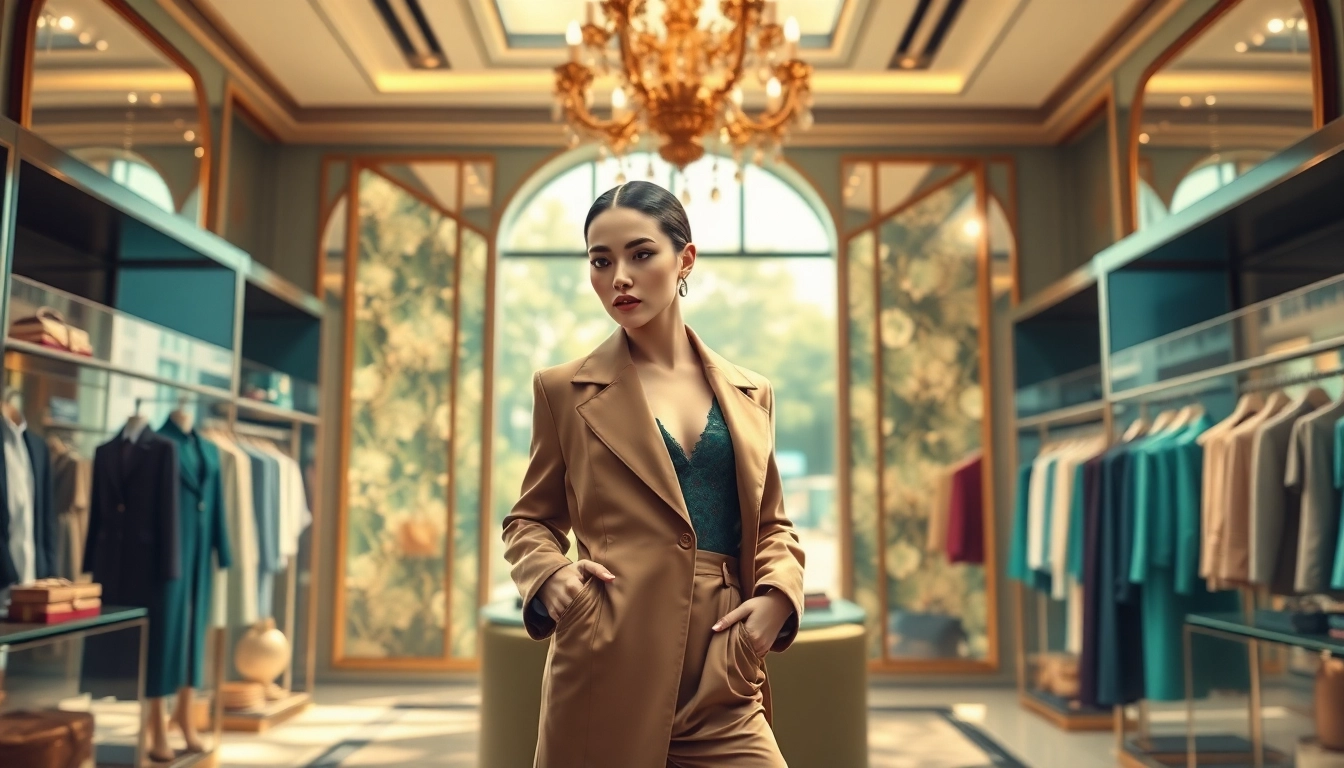
Shopping at exclusive boutiques often provides personalized service and access to limited collections, making the experience more unique. Conversely, major retailers offer variety and competitive pricing but may lack the intimate shopping experience. Weighing these options allows consumers to tailor their shopping experiences to their preferences.
Understanding Price vs. Value
Price does not always equate to value in luxury fashion. Understanding what constitutes real luxury—craftsmanship, materials, and brand heritage—helps consumers make informed purchasing decisions. Assessing the longevity and versatility of an item can provide a clearer picture of whether the investment is worthwhile, ensuring that each piece in the wardrobe holds value over time.
Sustainability in Luxury Fashion
Eco-Friendly Materials and Brands
The luxury fashion industry is increasingly acknowledging its environmental impact and making strides towards sustainability. Brands are investing in eco-friendly materials such as organic cotton, reclaimed fabrics, and innovative textiles derived from recycled plastics. Consumers are encouraged to support brands that prioritize sustainability, fostering a culture of responsible consumption.
The Rise of Ethical Fashion Choices
Consumers are becoming more conscious of the ethical implications of their fashion choices. The rise of ethically produced items ensures that garments are made with fair labor practices and transparent sourcing. By aligning purchases with ethical values, individuals can contribute to a positive shift in the industry while expressing their style.
Caring for Your Luxury Items
Caring for luxury fashion items extends their lifespan and maintains their pristine condition. This includes proper storage, regular cleaning, and timely repairs. Each material requires specific care techniques—leather needs conditioning, while delicate fabrics may require special laundering. By investing time in maintenance, consumers preserve their garments’ beauty and value.
Frequently Asked Questions
What is luxury fashion?
Luxury fashion refers to high-end clothing and accessories characterized by superior quality, craftsmanship, and exclusivity. It often involves iconic branding and a strong heritage.
How can I identify quality luxury items?
Look for expert craftsmanship, high-quality materials, and attention to detail. Additionally, reputable brands usually provide information about their production processes.
What are the essential pieces for a luxury wardrobe?
Classic pieces include a tailored blazer, a timeless little black dress, quality denim, and elegant footwear. These staples can be styled for various occasions.
How do I mix high and low fashion?
Pairing luxury items with more affordable pieces creates a balanced and unique look. Accessories can help tie the outfit together while allowing for personal style expression.
Why is sustainability important in luxury fashion?
Sustainability ensures ethical production, reduces environmental impact, and encourages responsible consumer behavior, leading to a positive shift in the fashion industry.